Byron Private
Mental health support when things feel too hard to manage alone
Residential mental health treatment in Byron Bay for adults seeking personalised, evidence-based care
Byron Private supports individuals living with a range of mental health challenges, including anxiety, trauma, depression, and relationship difficulties.
Our community-based residential recovery program is located in the hinterland of Byron Bay and provides structured clinical care alongside holistic therapies in a supportive environment.
Confidential. No obligation
Nationally Accredited for Quality and Safety



A personalised approach to mental health care
Each person who comes to Byron Private brings their own history, challenges, and needs. Our role is to work with you to shape care that reflects that, rather than applying a one-size-fits-all program.
Byron Private offers a calm, respectful residential setting where people are supported with dignity and care.
Our recovery-focused model creates the time and space for practitioners to provide consistent, thoughtful support, whether you are seeking help for yourself or exploring options for someone you care about.

Accredited residential mental health care in Australia.
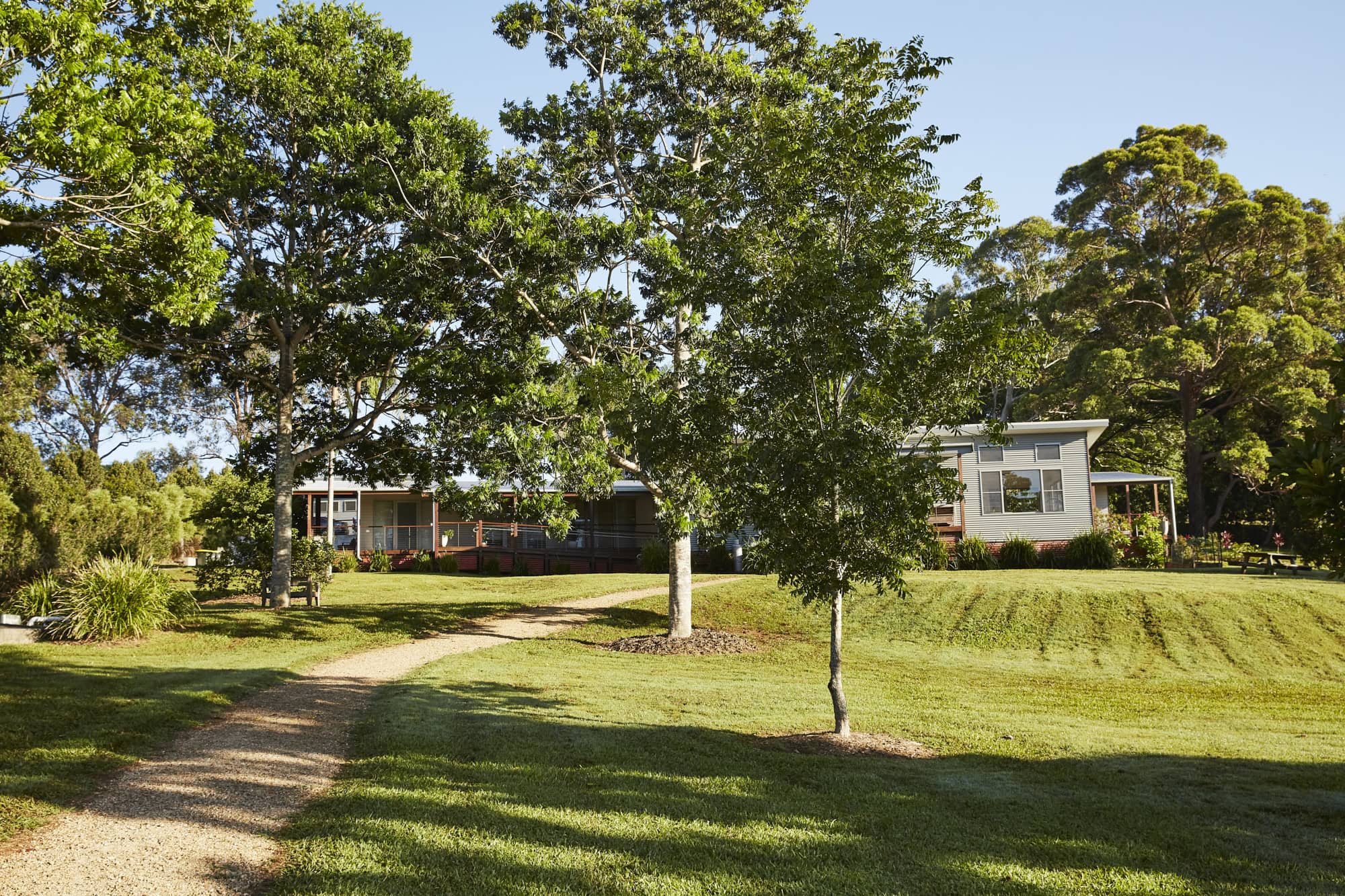
Our residential facility is purpose-built to support recovery and is set on spacious rainforest grounds in the hinterland of Byron Bay. The environment offers privacy, calm, and distance from everyday stressors while remaining close to essential services.
Residents are supported by a multidisciplinary team that may include psychiatrists, medical practitioners, psychologists, and allied health professionals.
Clinical care is complemented by holistic therapies such as yoga, body-based therapies, and creative therapies, which are integrated to support emotional regulation, physical wellbeing, and recovery.
An experienced multidisciplinary clinical team
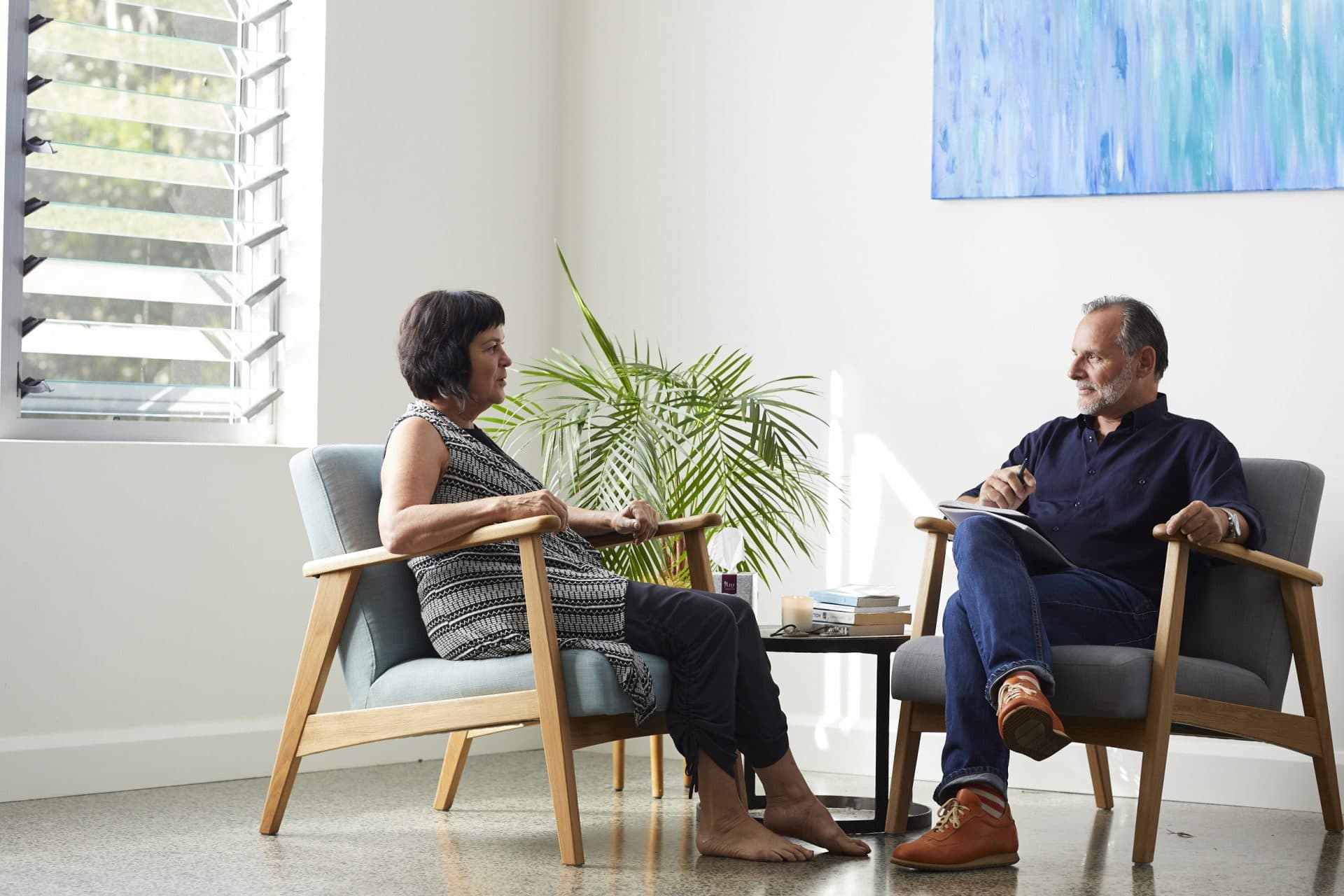
Byron Private’s clinical team has experience supporting individuals with complex and co-occurring mental health challenges. Care is guided by evidence-based practice and shaped to reflect each person’s needs, history, and circumstances.
Why choose Byron Private for mental health support?
A structured, holistic residential program
Byron Private offers a structured residential alternative to traditional hospital-based care and large group treatment settings.
Residents are supported by a multidisciplinary team that may include psychologists, therapists, peer support workers, and program coordinators, working together to provide consistent, coordinated care throughout the program.
Personalised care
No two people arrive with the same history or needs. At Byron Private, care is shaped around the individual rather than a fixed program.
Treatment planning is guided by clinical assessment and ongoing collaboration, allowing support to adjust as needs change over time.
Clinical integrity
Byron Private works collaboratively with referring clinicians, health professionals, and external services to support continuity of care.
Our programs operate within clear clinical governance frameworks, with a focus on integrity, compassion, and quality in day-to-day care.
Who We Support?
Support for people from all backgrounds, facing different challenges
People who attend Byron Private come from varied backgrounds and life experiences. Some are seeking support for mental health challenges such as anxiety, depression, trauma, or eating disorders. Others are navigating significant life events, relationship difficulties, grief, or emotional exhaustion.
What many people share is not a diagnosis, but a sense that things have become difficult to manage alone. Some arrive knowing exactly what they need. Others are unsure where to begin. Both are okay.
Our role is to provide a supportive, structured environment where individuals can explore what’s contributing to their distress and access care that reflects their needs, circumstances, and goals.
If you’re unsure whether residential support is appropriate, a confidential conversation with our intake team can help clarify next steps.

Deciding whether residential mental health support is right for you or for someone you care about can feel overwhelming. You don’t need to have all the answers before reaching out. A conversation with our intake team is confidential, pressure-free, and focused on understanding your situation. We can help explain what support options may be appropriate and what the process looks like, even if you’re just exploring possibilities.
Call for a confidential conversation. No obligation
Frequently Asked Questions About Residential Mental Health Care
Choosing the right mental health support can feel overwhelming, especially when symptoms are complex or ongoing. Below, we answer some of the most common questions people ask when exploring residential mental health care in Australia, including who it’s for, how it differs from hospital treatment, and what support looks like during and after care
Our Specialised Treatment Regimens
What mental health conditions are best treated in residential care?
Residential mental health care is designed for people experiencing ongoing or complex mental health challenges that are difficult to manage at home. This can include depression, anxiety disorders, trauma and PTSD, eating disorders, and emotional regulation difficulties, particularly where outpatient therapy has not been enough.
How do I know if residential mental health treatment is the right option?
Residential care may be appropriate if symptoms are impacting daily functioning, relationships, or safety, or if repeated attempts at community-based care have not led to improvement. A clinical assessment helps determine whether residential support is suitable for your situation.
What is the difference between residential mental health care and hospital admission?
Hospital treatment is typically short-term and focused on crisis stabilisation. Residential mental health care provides longer-term therapeutic support in a calm, structured environment, with a focus on recovery, coping skills, and long-term mental wellbeing.
Can residential mental health care help with trauma or PTSD?
Yes. Residential care can be particularly helpful for trauma and PTSD by providing consistency, emotional safety, and trauma-informed therapeutic support that allows individuals to stabilise before engaging in deeper recovery work.
Is residential care suitable for anxiety or depression?
Residential mental health care may benefit people with anxiety or depression when symptoms are persistent, worsening, or significantly affecting quality of life. The structured environment helps reduce overwhelm while building practical coping strategies.
What types of therapy are used in residential mental health programs?
Programs typically include a combination of individual therapy, group therapy, psychoeducation, and holistic approaches. Care plans are tailored to the individual’s mental health needs and recovery goals.
How long does residential mental health treatment usually last?
Length of stay varies depending on individual needs, severity of symptoms, and recovery goals. Some people benefit from a few weeks of support, while others require a longer therapeutic stay.
Will I still receive support after leaving residential care?
Yes. Discharge planning and ongoing support are an important part of residential mental health care. This may include referrals to community clinicians, follow-up support, and guidance for maintaining progress after leaving the program.